Why Does My Solar System Turn Off During a Power Cut?
One of the biggest misconceptions about solar panels is that they’ll continue powering your home during a power cut. It’s an understandable assumption, if the sun is shining, surely your solar panels should still be generating electricity?
The reality is that most standard solar PV systems automatically shut down when the grid loses power. This isn’t a fault with your system; it’s a vital safety feature built into every grid-connected solar installation.
Why Do Solar Systems Shut Down?
A standard solar inverter is designed to work alongside the National Grid. It constantly monitors the grid’s voltage and frequency, using it as a reference point.
When there’s a power cut, the inverter detects that the grid is no longer available and immediately switches off.
This process, known as anti-islanding protection, is required by UK regulations. It prevents electricity from your solar system feeding back into the grid during an outage.
It’s About Safety
Imagine engineers working to repair overhead power lines after a storm. They need to know those cables are completely de-energised before carrying out repairs.
If domestic solar systems continued exporting electricity during a power cut, they could unexpectedly energise the network, creating a serious risk for utility workers and potentially damaging equipment.
That’s why every compliant grid-connected solar inverter disconnects automatically whenever the grid fails.
What About Battery Storage?
Many homeowners are surprised to discover that adding a battery doesn’t automatically provide backup power.
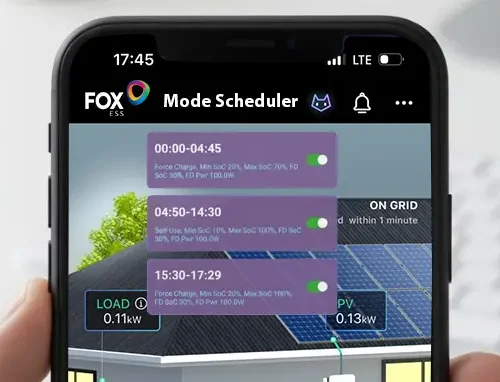
A standard battery system stores excess solar energy for use later in the day or overnight, helping reduce electricity bills. However, unless the system is specifically designed for backup operation, it will also shut down during a power cut because it’s connected to the same grid-tied inverter.
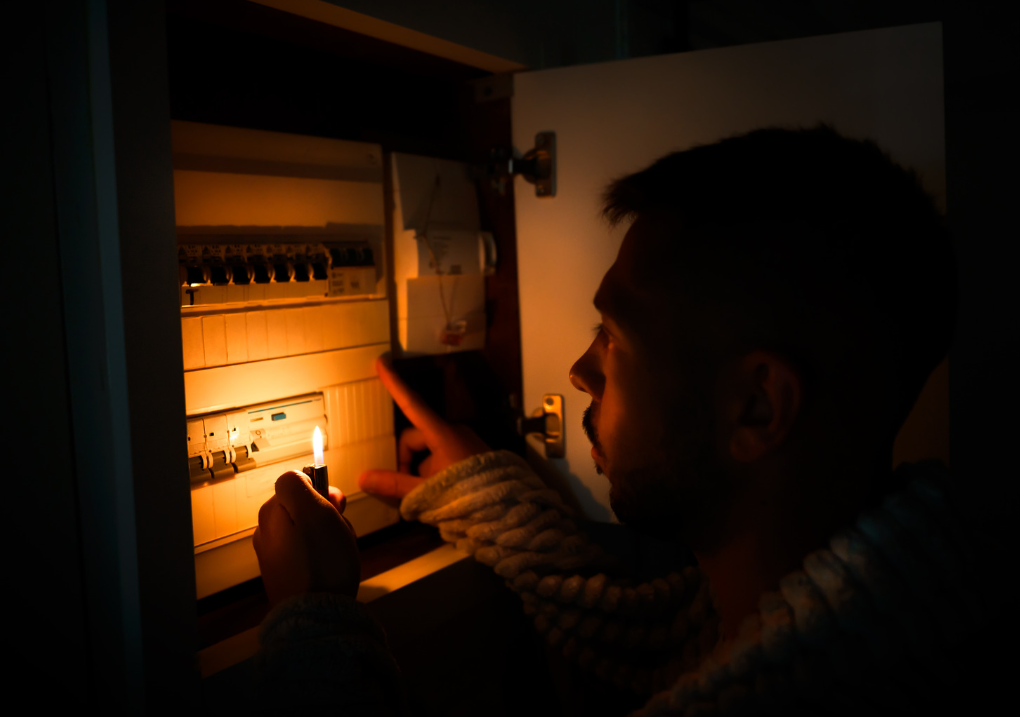
So even if your battery is fully charged, you may still have no electricity during a power outage.
The Solution: An EPS (Emergency Power Supply)
If you want your solar panels and battery to continue supplying power during a power cut, you’ll need a system with EPS (Emergency Power Supply) or full home backup capability.
An EPS allows the inverter to safely disconnect your property from the National Grid and create its own independent power supply.
This means your solar panels can continue charging your battery, and your battery can power selected circuits in your home while the grid is down.
Depending on the system installed, this could include:
- Lighting
- Refrigeration
- Wi-Fi and internet equipment
- Phone charging
- Essential sockets
- Home office equipment
- Heating controls
Some premium systems can even provide whole-home backup, depending on the inverter, battery capacity, and your home’s electrical design.
Is EPS Included as Standard?
No. Backup capability varies between manufacturers and often requires additional hardware, wiring, and commissioning.
When planning a solar and battery installation, it’s important to discuss how you want the system to operate during a power cut. If backup power is important to you, we can recommend an inverter and battery system designed with EPS or whole-home backup functionality.
Planning Ahead
For many homeowners, reducing electricity bills is the primary goal of installing solar and battery storage. But for others, particularly those who work from home, rely on specific equipment, or simply want peace of mind during outages, backup power can be just as valuable.
If this is something you are considering as part of your solar installation please get in touch to discuss your requirements.