Vehicle-to-Grid: Why It Matters and Why We’re Not There Yet
Imagine plugging your electric car in when you get home, but instead of it simply taking electricity from the grid, it could also send electricity back.
That is the basic idea behind Vehicle-to-Grid (V2G) technology.
An electric car already contains a large battery. V2G allows that battery to become part of the wider energy system, charging when electricity is cheap or plentiful and potentially sending electricity back when demand is high.

How does V2G work?
With a conventional EV charger, electricity flows in one direction:
Grid → Charger → Car
With V2G, it can flow both ways:
Grid ↔ Charger ↔ Car
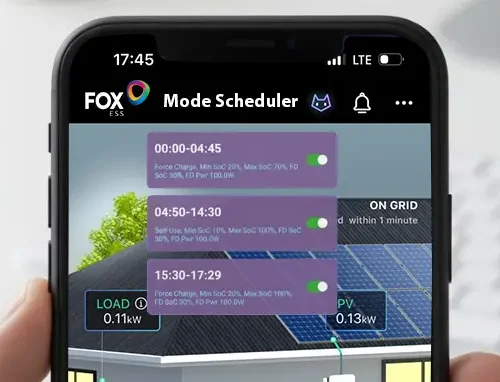
When you plug your car in, a smart system can look at things such as electricity prices, demand, renewable generation and when you need to use your car.
For example, your car might charge overnight when electricity demand is low. The following evening, when demand increases, the system could export some of that stored energy back to your home or the grid.
Importantly, you remain in control. You could specify that you need the car at 7am with, say, 80% charge. The system can then use whatever battery capacity is available around that requirement.
Why is V2G a good idea?
One of the biggest advantages is that electric cars could become a huge source of energy storage.
Millions of EVs will eventually be connected to the UK electricity system, yet most cars spend much of their time parked. If they are plugged in, their batteries could potentially provide useful flexibility.
V2G could help make better use of renewable energy too. For example, if there is lots of wind or solar power available during the day, EVs could charge at that time. Later, when demand rises, some of that stored energy could be released.
It could also reduce pressure on the electricity grid by helping avoid large numbers of EVs charging simultaneously during peak periods.
And there is a potential financial benefit for drivers. If a vehicle charges when electricity is cheap and exports when electricity is more valuable, the owner could potentially reduce their energy costs or receive payments.
So why isn’t V2G everywhere in the UK?
The important point is that V2G isn’t completely unavailable in the UK. There have already been significant trials, and some compatible vehicles and chargers are available.
The problem is that it isn’t yet a simple, mainstream product for the average EV owner.
Not every EV supports it
The car itself needs to be designed for bidirectional charging, and the charger needs to be compatible. Many electric vehicles currently on UK roads cannot simply be connected to a V2G charger.
Bidirectional chargers cost more
A normal charger only needs to put electricity into the car. A V2G charger has to safely control electricity flowing in both directions, making the equipment more complex and expensive.
The electricity market needs to catch up
The UK’s electricity system wasn’t originally designed around millions of individual car batteries being able to store and export electricity.
There are questions about how energy companies access those batteries, how customers are paid, how network operators manage the additional flows of electricity and how the system protects consumers.
Car manufacturers need to be involved
Manufacturers also need to be confident about battery life, warranties and the effect of additional charging and discharging.
These aren’t necessarily unsolvable problems, but they mean that V2G requires cooperation between car manufacturers, charger companies, energy suppliers, network operators and regulators.
When will V2G become mainstream?
The UK has already demonstrated that the technology works through government-backed trials.
The next challenge is making it affordable, reliable and simple enough for millions of drivers to use.
More EVs need to support bidirectional charging, chargers need to become cheaper, and electricity tariffs and regulations need to develop around the technology.
The UK Government’s current plans recognise V2X — which includes V2G — as a potentially important source of flexibility for the electricity system, with further work underway on standards, grid connections and the financial case for consumers.
The future of V2G
V2G could fundamentally change how we think about electric cars.
Today, an EV is primarily an electricity consumer.
With V2G, it can become both a consumer and a battery.
The technology already exists. The challenge now is building the infrastructure, regulations and business models that make it worthwhile for ordinary drivers.
So the question isn’t really whether V2G works.
It does.
The real question is whether the UK can make it simple and affordable enough for millions of EV owners to take part.